

Johns Hopkins UniversityNIEHS P30 CHARMED Core Center

Environmental health research, built with the communities it serves.

CHARMED connects residents, community organizations, and Hopkins scientists to investigate how environmental exposures shape health across the greater Maryland region — and to turn those findings into action.

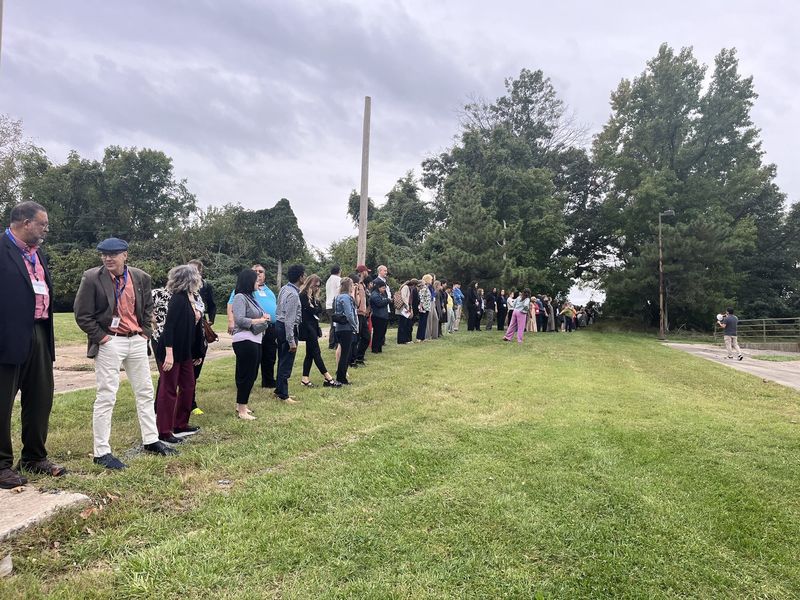
CHARMED Center faculty, staff, and community partners gathered for a group photograph at the Center's annual meeting.
CHARMED Center members and partners at the annual meeting.

Our mission

Building capacity for community-engaged research.

Residents of the greater Maryland region — extending north from Washington, DC through Baltimore and into central Pennsylvania — face a complex range of environmental health concerns from a wide variety of pollution sources.

The mission of the CHARMED Center is to build capacity in community-engaged research aimed at understanding the mechanistic links between environmental exposures and adverse health outcomes, and to translate those findings into action that improves the health and well-being of vulnerable individuals across the region.

We provide training, career development opportunities, support, and access to environmental health experts and state-of-the-art technologies, so that lasting community–investigator partnerships can tackle the environmental concerns communities identify themselves.

Read more about the Center

The Community Exposome: how CHARMED connects exposures, biology, and community action to improve health.

Highlights

Community successes and what's coming up.

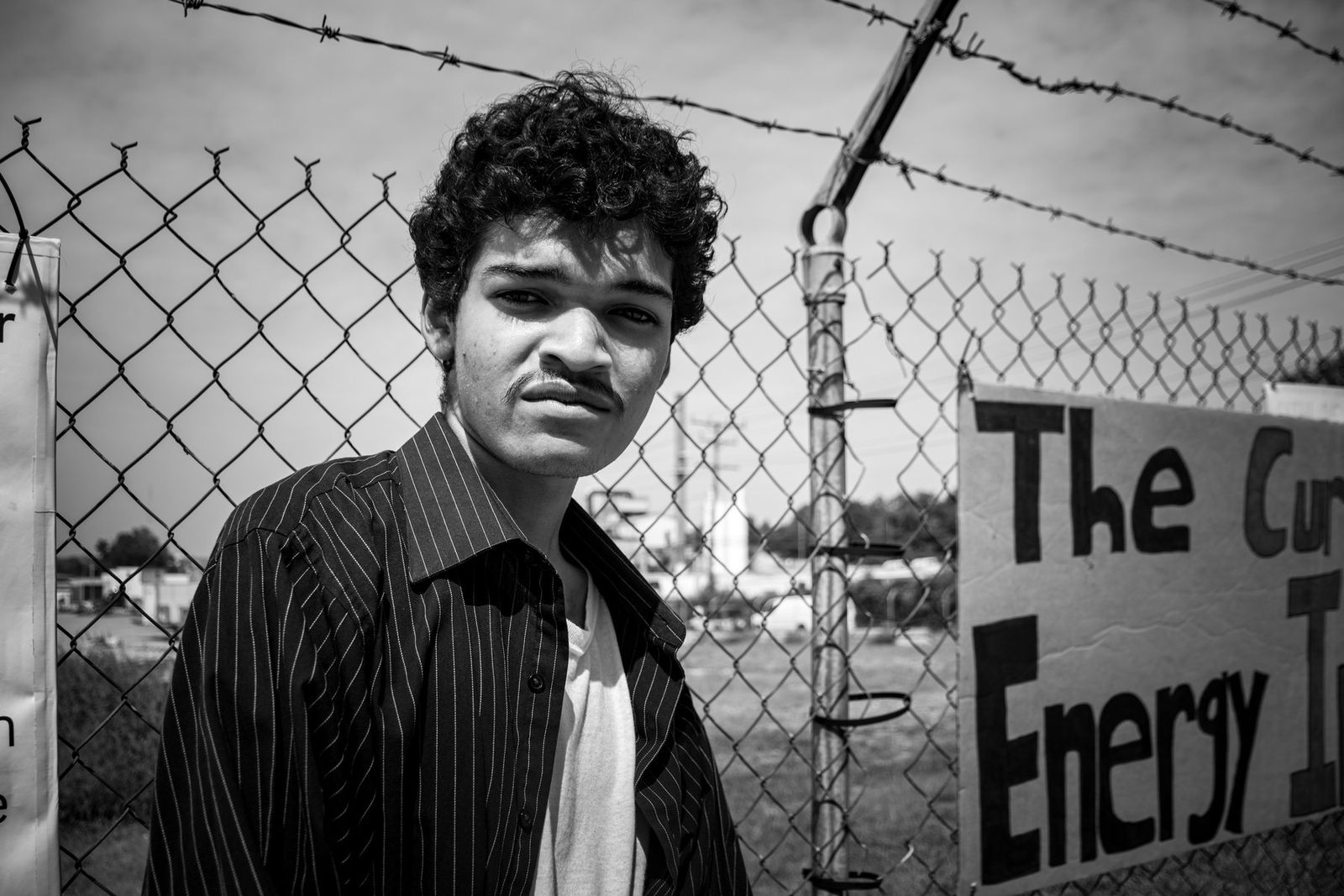
A young South Baltimore resident stands at the chain-link fence of the Curtis Bay Energy medical waste incinerator.
Photo: Ryan Johnson Photography

Community success

Curtis Bay medical waste incinerator to stop burning

Under an October 2026 agreement with the Maryland Department of the Environment, Curtis Bay Energy will stop incinerating medical waste in South Baltimore, pending court approval.
Where we work

Partnering with communities in the corridor from Washington, DC to Pennsylvania.

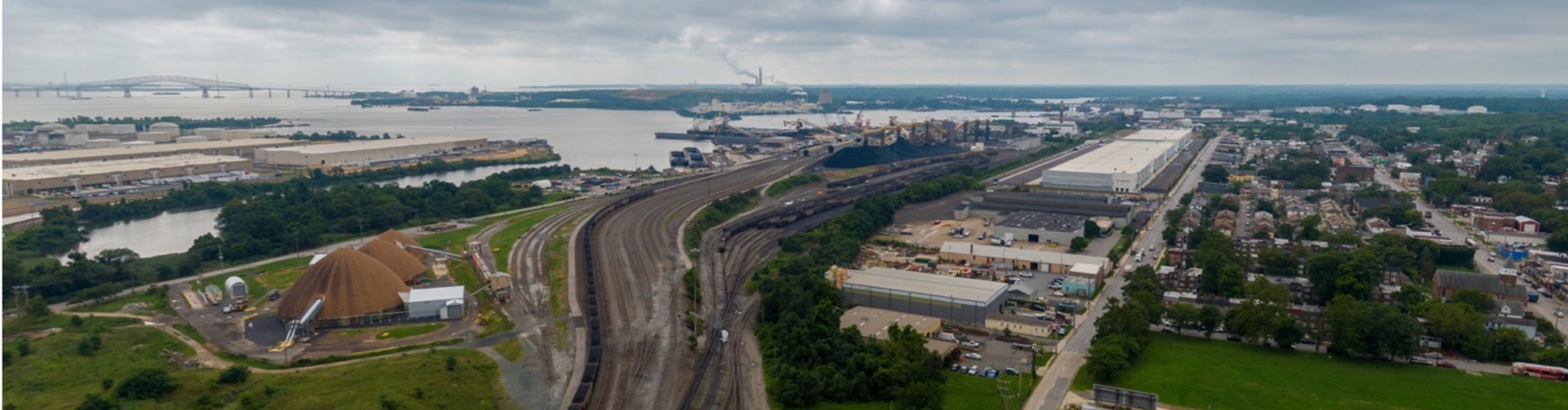
Aerial view of the Curtis Bay industrial waterfront in South Baltimore: coal piers, rail yards, and warehouses beside rowhouse neighborhoods.
The CHARMED Center's regional footprintA schematic map of the greater Maryland region showing the corridor of partner communities running north from Washington, DC through Baltimore and into central Pennsylvania.Central PennsylvaniaBaltimoreWashington, DC
The Center works along the corridor running north from Washington, DC through Baltimore and into central Pennsylvania, including historically industrial areas such as Baltimore's Curtis Bay waterfront, shown here.
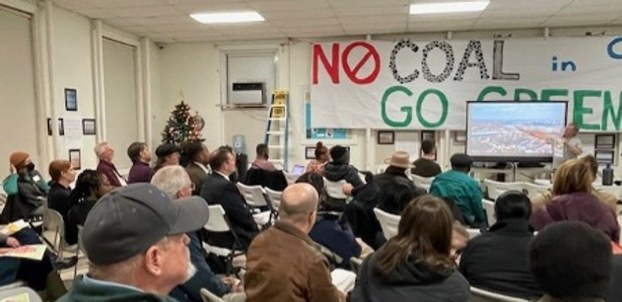
  • Residents seated at a community meeting beneath a 'No Coal, Go Green' banner, watching a presentation.
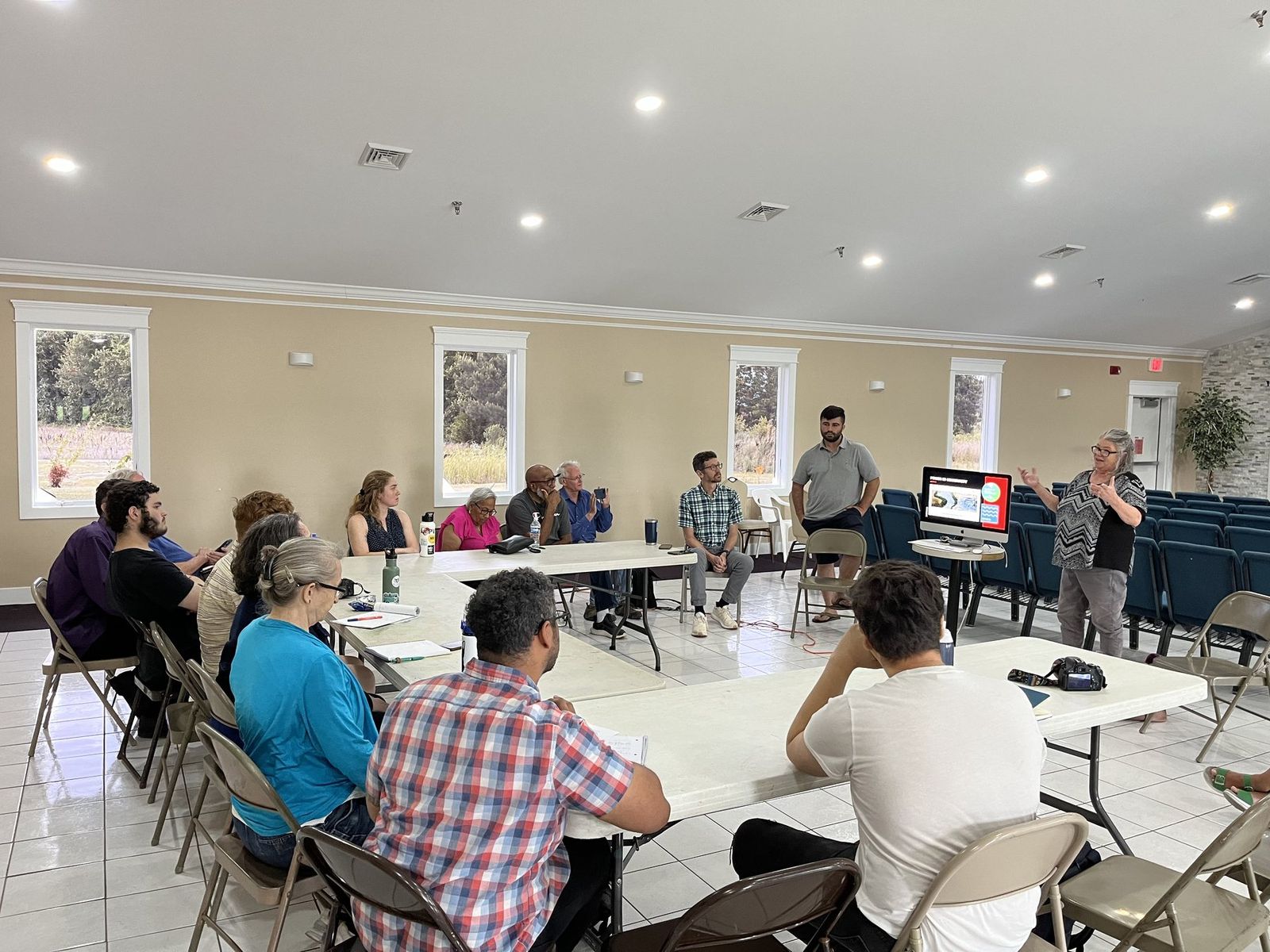
  • Residents and researchers meeting around tables at a community meeting.
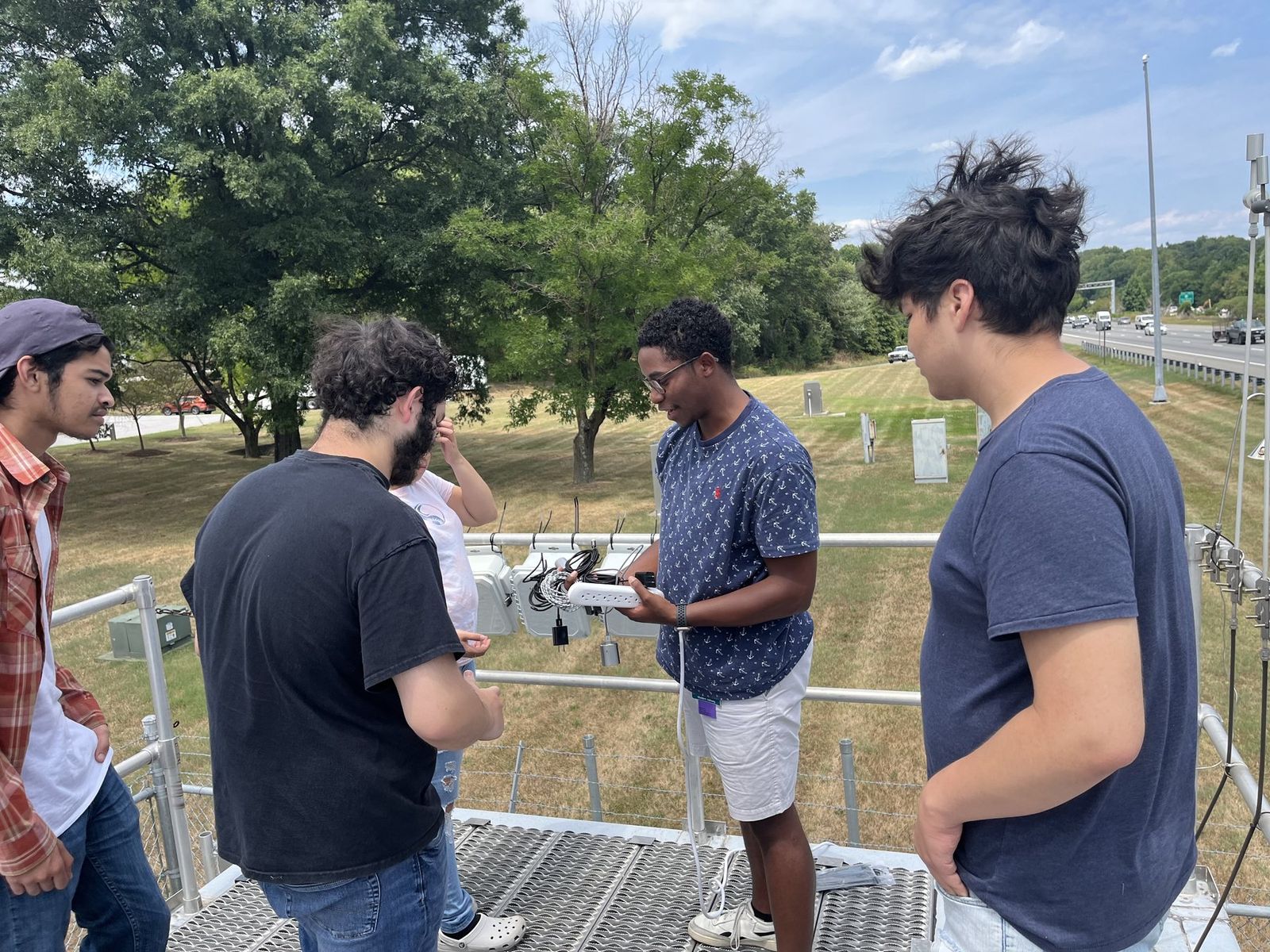
  • Community members look at an air monitoring station during a site tour.
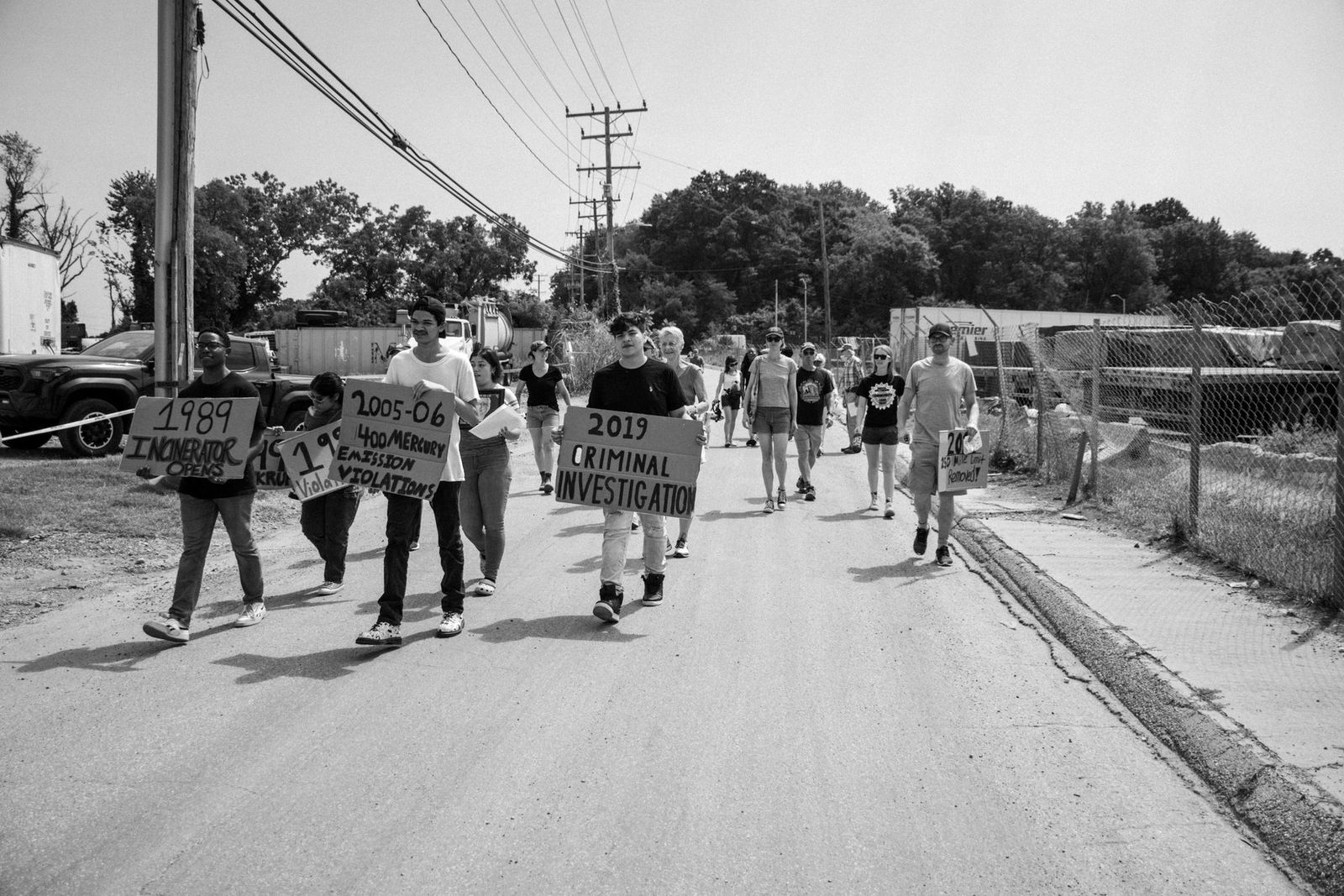
  • Residents march down a street carrying protest signs.
CHARMED partners in the field. Photos: CHARMED Center; Ryan Johnson Photography.

For communities

Have an environmental health concern in your neighborhood?

The Center connects community organizations and residents with researchers, exposure measurement, and funding. Tell us what you're seeing and we'll help find the right people and tools.

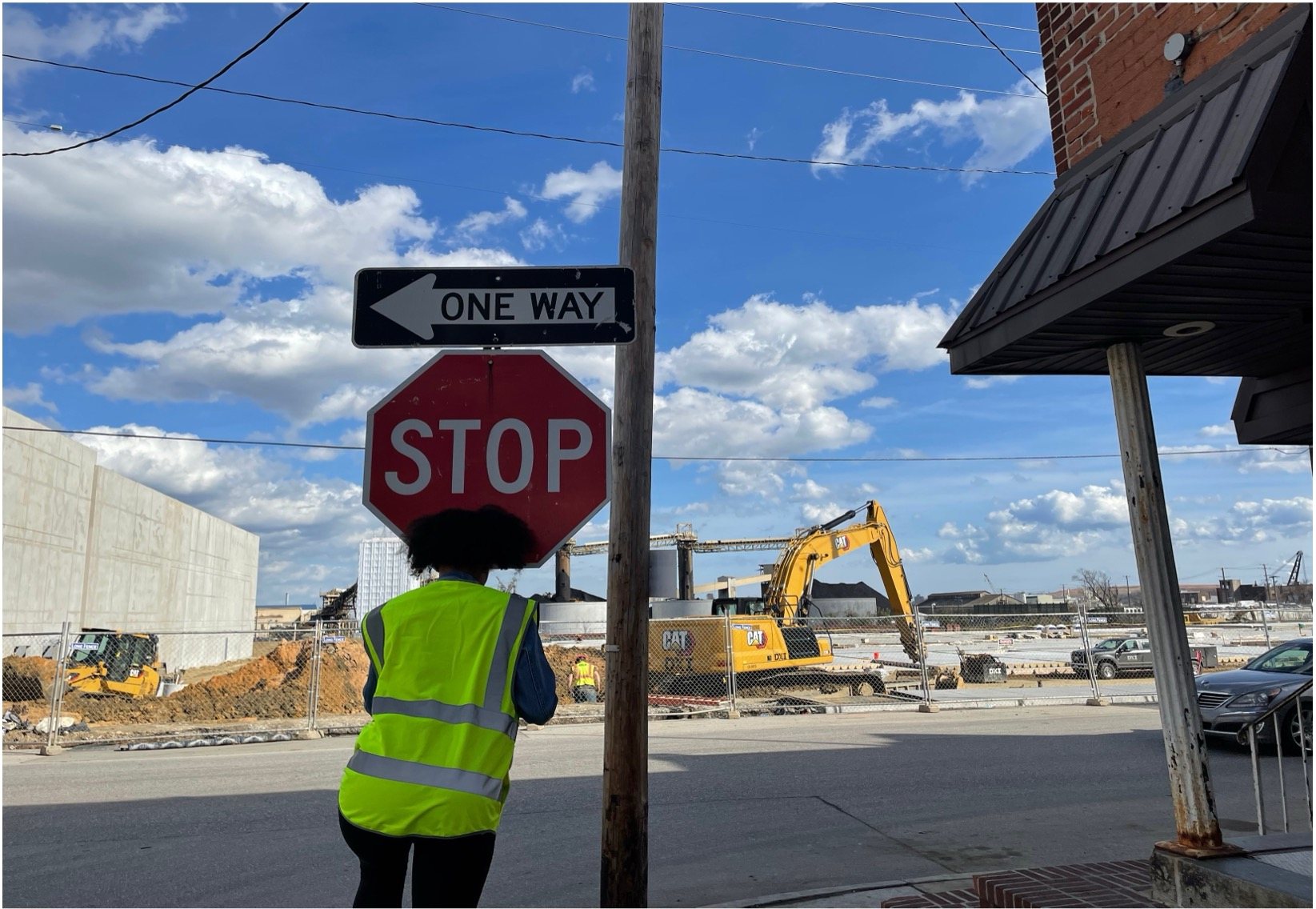
A team member in a safety vest observing construction beside an industrial site

What the Center can help with

  • Deploying lower-cost air quality sensor networks in your community
  • Collecting and analyzing air, water, and soil samples
  • Designing a study around your community's question
  • Connecting you with researchers and funding to act on the results

In the field

Research alongside the communities we serve.