

Research

Thematic Research Groups

Three working groups organize the Center's science, each pairing exposure scientists with health researchers and meeting monthly.

Group 01

Cardiorespiratory Health and Airborne Contaminants

Group leads

There is a high prevalence of cardiovascular, pulmonary, and neurodegenerative diseases in the Maryland region. Many researchers study health outcomes in these vulnerable populations without robust scientific interaction with exposure scientists. This group brings the two together — pairing an exposure assessment expert with a clinician specializing in the diagnosis and treatment of asthma and COPD.

The focus is on defining the contribution of airborne contaminants prevalent in the Maryland region — PM2.5, gases, vapors, allergens — to cardiorespiratory outcomes including asthma, cardiovascular disease, COPD, and autism. Innovations in exposure science coupled with population health outcomes help unravel the environmental determinants of disease in vulnerable populations.

Group 02

Chemical Mixtures and Emerging Contaminants

Group leads

This group builds on the expertise of CHARMED members to understand the human health effects of individual and mixed emerging contaminants — metals, persistent organic compounds, and endocrine disruptors — across a variety of health outcomes.

Members explore the role of early-life exposure to phthalates on childhood bone health, and examine the impact of metals exposure on immune responses, obesity, autism, and cardiometabolic risk.

Group 03

Community Engagement

Group leads

This group serves as a nucleus to merge parallel efforts and use the expertise and services of the Center to expand research on topics with important community implications.

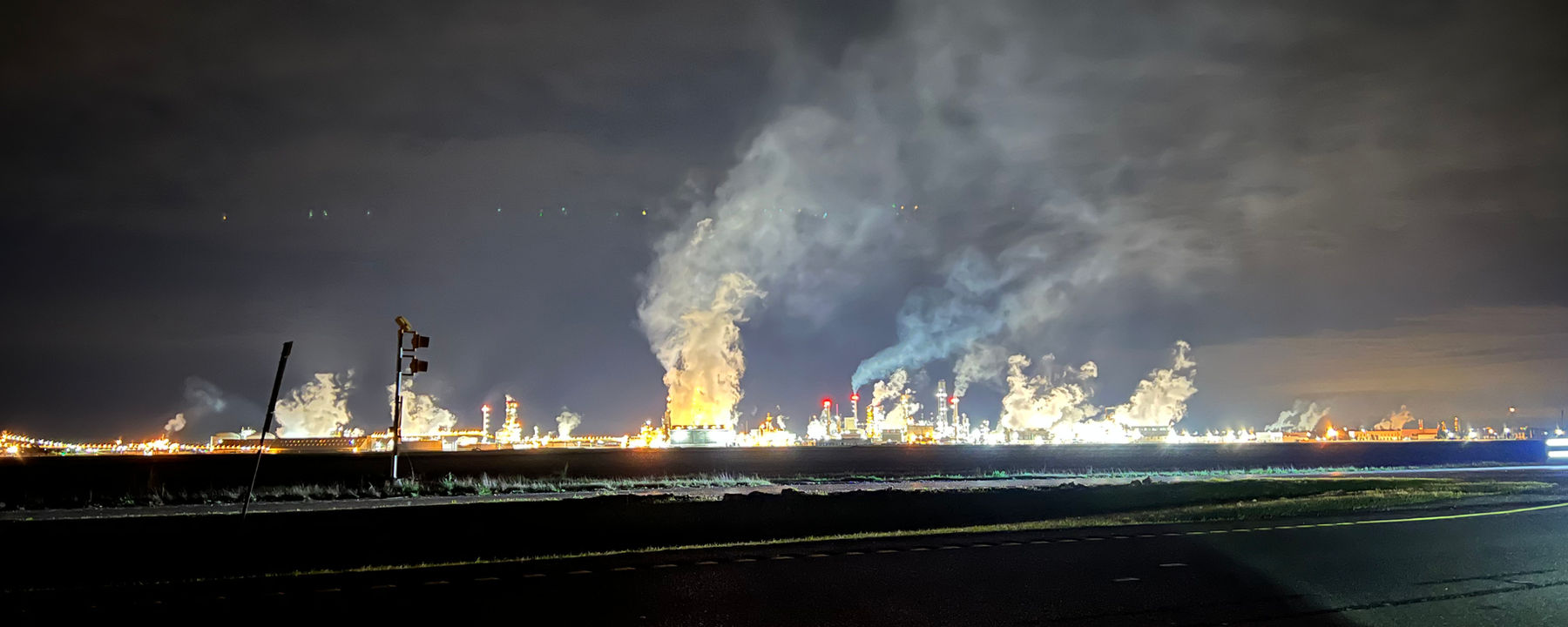
Fossil fuel production, processing, and use have driven poor air quality and community health impacts for centuries. As older technologies are phased out and new ones developed, it is paramount to understand the ongoing and potential impacts of these activities. Center members work on emissions, pollutant distribution, and the community, economic, and health impacts of both existing infrastructure such as oil refineries and newer activity such as unconventional natural gas development — alongside the applications of community-engaged research methods themselves.

Join a working group

Thematic Research Groups meet monthly and are open to investigators across Johns Hopkins University and the University of Maryland with an interest in community-engaged environmental health research.

Get in touch